
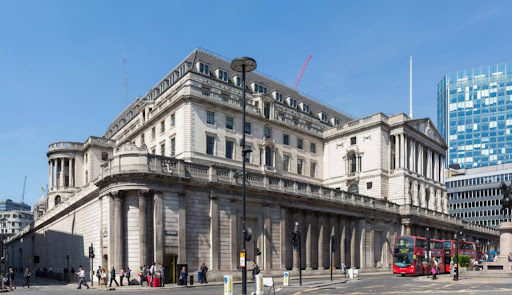
Economics from a conflict zone thousands of miles away are reaching British high streets, with the Bank of England voting unanimously to hold rates at 3.75% on Thursday and warning that the Iran war’s energy price impact could push UK inflation above 3% and trigger rate hikes. The monetary policy committee described the US-Israel conflict against Iran as a significant new shock that had materially changed the UK’s economic outlook, with rising petrol prices already visible on the high street as evidence of the war’s reach. Officials warned that energy bills could follow if supply disruption persists.
The transmission mechanism from conflict zone to British high street runs primarily through global energy markets. When war disrupts oil and gas supply routes or production capacity, global prices rise, and those rises feed through to UK petrol prices, energy costs, and ultimately a wide range of goods and services. The Bank has identified this transmission as the primary risk in its revised inflation forecasts, which now show price growth rising to approximately 3.5% in March and remaining elevated throughout 2026.
Governor Andrew Bailey pointed to the high street evidence of the war’s economic reach in his public communications. He said drivers across the UK were already paying more at petrol forecourts, and warned that the transmission into household energy bills would follow if supply disruptions continue. The Bank’s commitment to its 2% inflation target meant it could not ignore these developments, regardless of their distant origin.
Financial markets adjusted their expectations sharply. UK gilt yields rose, the FTSE 100 fell, and the pound strengthened against the dollar as traders priced in rate hikes before year end. Analysts noted that the visible high street evidence of price rises gave the Bank’s hawkish signals additional credibility and urgency.
For UK consumers, the phrase “what happens in the Middle East doesn’t stay in the Middle East” has never felt more real. The economic consequences of conflict are reaching into daily life through petrol prices, energy bills, and mortgage costs, creating a complex financial environment that neither the Bank nor the government can fully control. The months ahead will test the UK’s resilience to this latest external shock.