
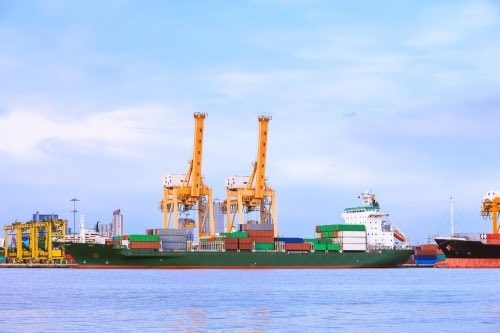
Europe is bracing for a new surge of economic challenges stemming from its increasing dependence on Chinese imports, which could undermine local manufacturing industries and lead to significant job losses, according to trade experts. This situation mirrors the “China shock” experienced by the United States 25 years ago when China’s integration into the global trade market led to a massive influx of imports, resulting in the displacement of local industries and the loss of millions of jobs. Jens Eskelund, president of the European Chamber of Commerce in Beijing, highlighted that the issue isn’t just about finished goods like electric vehicles, but rather the extensive importation of essential components from China.
As China’s components become more integral to Europe’s industrial framework, the European Union faces critical decisions. Reports suggest that the EU is contemplating measures to ensure European companies diversify their suppliers to mitigate reliance on China. Upcoming discussions among European commissioners aim to address these trade concerns. Oliver Richtberg from VDMA, representing the machinery and equipment manufacturing sector, pointed out that the undervaluation of the yuan against the euro, along with state subsidies that make Chinese products more affordable, are intensifying the competitive pressure on European manufacturers.
Data from trade analysts confirm the growing dependence on Chinese imports, with significant volumes of essential goods like amino acids and polyhydric alcohols being imported from China. This trend raises concerns that low-cost Chinese supplies could render European production economically unviable, further increasing dependency on Chinese sources. The imbalance in trade is also reflected in China’s growing surplus with the EU, particularly with Germany, where the number of industrial jobs has sharply declined since 2019.
In response, the EU has proposed legislative measures such as the Industrial Accelerator Act and an updated Cyber Security Act aimed at safeguarding local industries. However, these initiatives are not expected to take effect until 2027, putting pressure on Brussels to find immediate solutions. While tariffs have been considered, they are seen as insufficient to address the trade imbalance. The challenge remains to find a balanced approach without provoking a negative reaction from China, which continues to maintain a strong position in the trade dynamic.
Experts like Andrew Small from the European Council on Foreign Relations emphasize the need for a more robust discussion on China’s influence in European industry. As dependency on Chinese imports increases, there is a growing concern that this economic issue could escalate into a security problem, particularly for Germany, which is experiencing significant industrial job losses. The EU’s efforts to counteract this dependency will require careful calibration to manage the complex trade relationship with China effectively.