
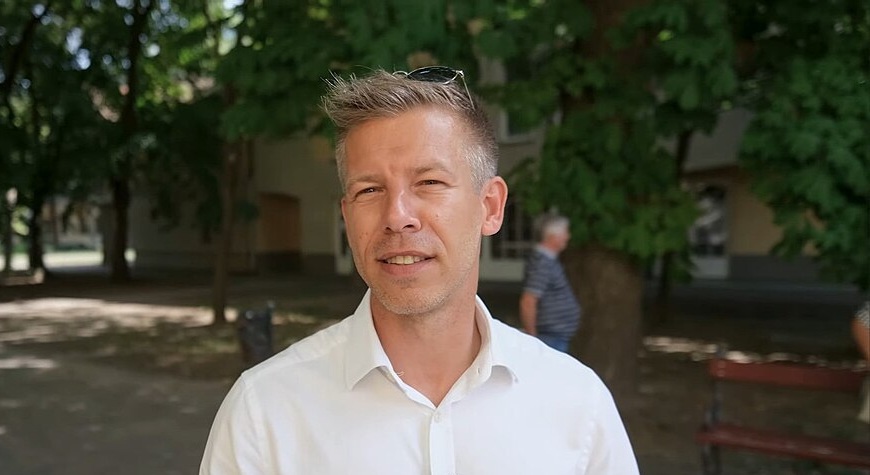
Hungary is on the brink of significant political and constitutional change with the new government of Prime Minister Péter Magyar, following the electoral defeat of Viktor Orbán. Magyar’s administration, buoyed by a parliamentary supermajority, is quickly moving to overhaul key state institutions. Among the most controversial plans is the removal of the country’s president, a move seen as part of an effort to dismantle the entrenched system left by Orbán’s 16-year rule.
The administration argues that these sweeping reforms are essential for restoring democratic checks and balances, as well as reinforcing the rule of law. However, these proposals have stirred a heated debate among legal experts and political commentators. Critics express concern that leveraging a substantial parliamentary majority to alter constitutional frameworks could pave the way for future administrations to manipulate rules for political gain.
This political maneuvering could escalate into a constitutional crisis if Hungary’s judicial institutions side with the president, setting the stage for a potential clash between the executive branch and the courts. The unfolding situation raises a crucial question for Hungary: Are these reforms a necessary break from Orbán’s political legacy, or do they pose new risks to democratic governance and constitutional stability?
As Hungary navigates this period of transition, the outcome of these reform efforts is expected to have lasting implications for the country’s political landscape and institutional structure. The debate underscores the broader challenges facing Hungary as it seeks to redefine itself in the post-Orbán era.