
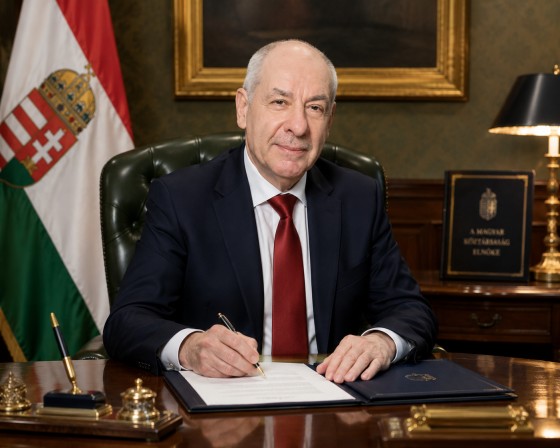
Former Hungarian President János Áder has expressed strong opposition to the proposed removal of President Tamás Sulyok, labeling it as a “constitutional coup” and cautioning that such a move would breach Hungary’s constitutional framework. In a recent podcast appearance, Áder emphasized that political disagreements should not be grounds for legal action against the president. According to him, the Hungarian constitution stipulates that a president can only be removed via an impeachment process, which demands a two-thirds parliamentary majority and evidence of constitutional or legal breaches.
The contentious 17th amendment to Hungary’s Fundamental Law seeks to mandate Sulyok’s immediate departure from office upon its enactment. Áder argues that this approach circumvents the established constitutional impeachment procedure and represents an unconstitutional application of retroactive legislation. He further contends that the accusations against Sulyok, which suggest he inadequately addressed certain political controversies, are mere political criticisms rather than legal violations that would warrant his removal.
Áder warns that bypassing the legal process of impeachment through a constitutional amendment could undermine the presidency’s legitimacy and weaken the rule of law. He asserts that any successor appointed under such circumstances would likely face challenges regarding their constitutional authority and their capacity to embody national unity.
In Áder’s view, the potential amendment not only threatens to destabilize Hungary’s constitutional order but also sets a concerning precedent for how presidents could be removed from office based on political rather than legal grounds. By emphasizing the importance of adhering to the constitutional process, he highlights the risks associated with undermining established legal frameworks in favor of political expediency.