
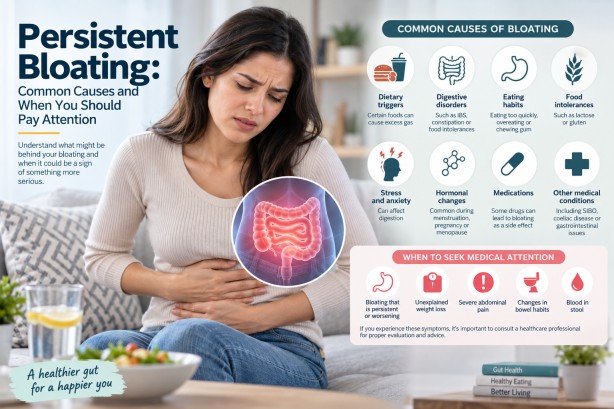
Bloating is a common digestive issue that many people experience, particularly after consuming a large meal. However, if your stomach often feels swollen or uncomfortable, it may be worth considering factors beyond just what you have recently eaten. Everyday influences such as hormonal changes, digestion, stress, and lifestyle habits can all contribute to frequent bloating.
Hormonal fluctuations are known to affect digestion and fluid retention in the body. These changes can sometimes result in increased water retention, constipation, or slower food movement through the digestive system. This is especially noticeable for some women during different phases of their menstrual cycle or around menopause. Additionally, slow digestion can cause food and gas to linger in the digestive tract, leading to feelings of heaviness and abdominal swelling. Factors like eating too quickly, consuming large meals, or having an irregular eating pattern can exacerbate digestive discomfort.
Stress is another key element that can impact digestion. The digestive system and the brain are closely linked, and prolonged stress can disrupt normal digestive functions, contributing to bloating, constipation, stomach discomfort, and changes in appetite. To support digestive health, it is beneficial to incorporate relaxation, maintain a regular sleep schedule, and engage in gentle physical activities.
Adopting small daily habits can also help manage bloating. Eating slowly and thoroughly chewing food, avoiding large meals late at night, limiting salt and processed foods, staying hydrated, taking gentle walks after meals, and being physically active instead of sitting for extended periods can all contribute to reducing bloating. Keeping a record of when bloating occurs can help identify patterns, especially if symptoms change around the menstrual cycle or during stressful times.
While occasional bloating is normal, persistent or worsening symptoms should not be ignored. It’s important to consult a healthcare professional if bloating is painful, lasts for an extended period, or is accompanied by other concerning symptoms like unexplained weight loss, persistent fatigue, changes in bowel habits, vomiting, blood in the stool, or other unusual signs. Understanding the root cause is more effective than relying on dietary restrictions or home remedies. Recognizing that bloating can be influenced by a variety of factors, including hormonal changes, digestion, stress, hydration, physical activity, and eating habits, can lead to more sustainable lifestyle adjustments. If bloating persists or other troubling symptoms are present, seeking medical advice is recommended.