
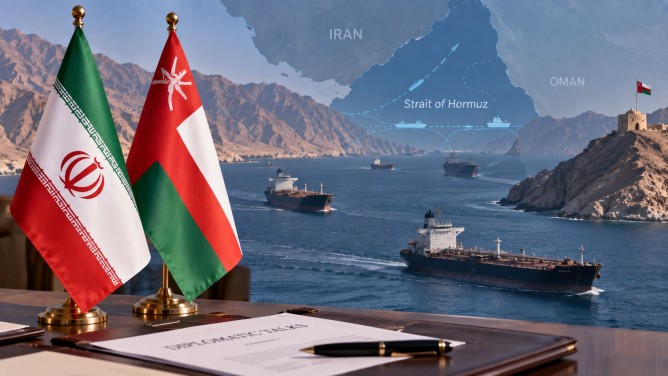
A meeting aimed at discussing new shipping protocols through the Strait of Hormuz involving Iran, Oman, and other Gulf nations has been postponed, leaving the future date undecided. Originally slated for Muscat, the agenda was to include regional security and a proposal by Iran and Oman for managing commercial shipping in the crucial waterway. The decision to delay the meeting was mutually agreed upon by Iran and Oman after several regional countries expressed the need for more consensus, according to Oman’s Foreign Minister Badr Albusaidi.
The postponement follows an incident where an Iranian commercial vessel was reportedly attacked near Qeshm Island, resulting in one fatality and injuries to four crew members. Iranian state media reported that the vessel was struck by a projectile as it navigated the Strait of Hormuz, leading to a fire and the evacuation of the crew. This incident underscores the ongoing tensions in a region where shipping routes are vital for global trade.
Iran and Oman had been exploring alternative shipping routes through the Strait. The proposed plan would see vessels entering the Persian Gulf via Iranian waters and exiting through both Iranian and Omani waters. However, Iran insists that any reopening of the Strait is conditional on meeting its specific requirements. Tehran has also hinted at the possibility of imposing fees on vessels using these proposed routes. As a result, commercial shipping through the Strait remains significantly reduced, raising concerns for global energy markets given its role as a key passage for oil shipments.
The delay of the talks is set against a backdrop of broader diplomatic tensions in the region. Saudi Arabia is reportedly pushing for amendments to the proposed Iran-Oman shipping arrangement, while Bahrain has expressed its decision not to participate in the meeting. These regional dynamics have contributed to increased oil prices, with Brent crude surpassing $100 a barrel. This situation is compounded by Saudi Arabia’s continued shutdown of its 1,200-km East-West oil pipeline, a move taken in response to drone attacks, which limits alternative routes for crude transport to the Red Sea.
The prolonged closure of the pipeline threatens a substantial portion of global oil supplies, adding to the disruptions already caused by the reduced traffic through the Strait of Hormuz. The combination of these factors keeps the spotlight on the Gulf as a critical area of geopolitical and economic interest.