
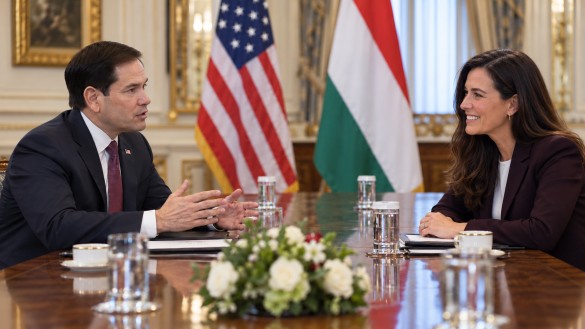
Hungary and the United States have inked significant agreements to bolster energy cooperation and strengthen law enforcement ties. The deals were finalized during a meeting between Hungarian Foreign Minister Anita Orbán and US Secretary of State Marco Rubio in Washington on Thursday, following a brief scheduling delay earlier in the week.
The energy agreement focuses on enhancing regional natural gas and oil infrastructure under the US-backed Trump Peace Pipelines Framework. This initiative aims to boost American liquefied natural gas (LNG) exports and improve energy infrastructure across Central and Eastern Europe and the Western Balkans. The agreement underscores continuity in Hungary’s energy strategy with parts of it tracing back to former Prime Minister Viktor Orbán’s administration, including the civilian nuclear cooperation agreement signed with the US in February 2026.
Discussions also addressed potential American oil purchases and the extension of the operating life of Hungary’s Paks I nuclear power plant. The Hungarian government, under its current TISZA leadership, has submitted the February nuclear agreement to Parliament for approval, signaling an effort to solidify these energy collaborations legally.
The second agreement signed concentrates on enhancing law enforcement cooperation, with a strong focus on intelligence sharing and combating crimes associated with extremist organizations. Minister Orbán highlighted the importance of collaboration against far-left extremist groups, particularly networks linked to Antifa Ost. This issue remains sensitive in Hungary following the 2023 attacks in Budapest, which involved individuals connected to such groups and have drawn international attention.
The meeting and subsequent agreements mark an effort by both nations to deepen ties in areas critical to national security and energy independence. The talks took place after an initial delay caused by Secretary Rubio’s need to accompany President Trump on a campaign tour ahead of the US congressional elections. Despite the delay, the agreements reflect a mutual commitment to strengthening bilateral relations and addressing shared challenges.