
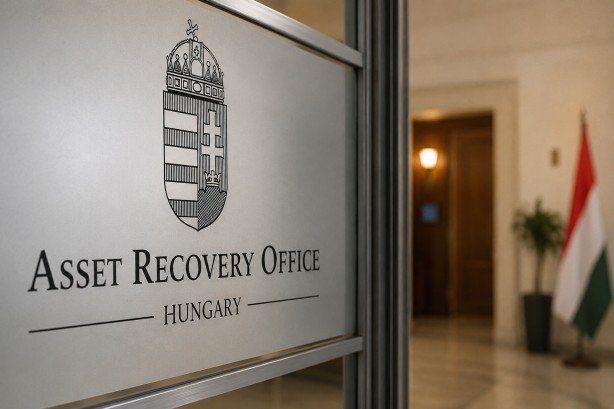
Hungary’s initiative to establish a National Asset Recovery and Asset Protection Office (NVVH) is under heightened scrutiny as the process to appoint its leadership progresses. The presidency of the agency is currently being contested by three candidates. This development comes amid involvement from civil society organizations, such as the Hungarian Civil Liberties Union, the Hungarian Helsinki Committee, and K-Monitor, which are expected to contribute professional insights during the selection phase.
The proposed agency has sparked criticism from both opposition members and legal experts, who express concerns over the extent of its anticipated powers. The agency is designed to merge administrative, investigative, and prosecutorial functions, a combination that critics argue could lead to an undue concentration of authority. This has raised alarms about the potential risks to legal safeguards and the maintenance of the separation of powers within the Hungarian government.
Opposition to the establishment of the NVVH is also evident from within the political sphere, particularly from FIDESZ, which has voiced its disapproval. The party is preparing to challenge the legality of the agency’s framework, intending to bring the matter before Hungary’s Constitutional Court.
As the debate continues, the involvement of respected civil groups in the selection process highlights the ongoing dialogue between governmental intentions and civil society concerns. The outcome of this process and the subsequent decisions of the Constitutional Court could have significant implications for Hungary’s legal and administrative landscape.